
When friction arises at critical global bottlenecks, whether along the Strait of Hormuz or across volatile international energy and freight corridors, the immediate impact ripples across centralized supply chains. As hyper-scale data hubs and industrial networks increase their drain on regional power grids, local communities face rising energy prices, grid instability, and fragile food distribution networks reliant on degraded, chemical-intensive soil. Waiting for top-down solutions or trickle-down relief leaves us vulnerable.
Modern centralised systems are designed to do everything for us, fostering passive reliance right up until the moment they choose not to deliver, or when inflation makes essential services and commodities unaffordable. The true counter-push is found right here under our feet through Parishes Places People and Sow Study Sustain. By re-anchoring our core necessities, food, water, and power, within our own parishes, we replace passive dependence with active community pride and genuine security
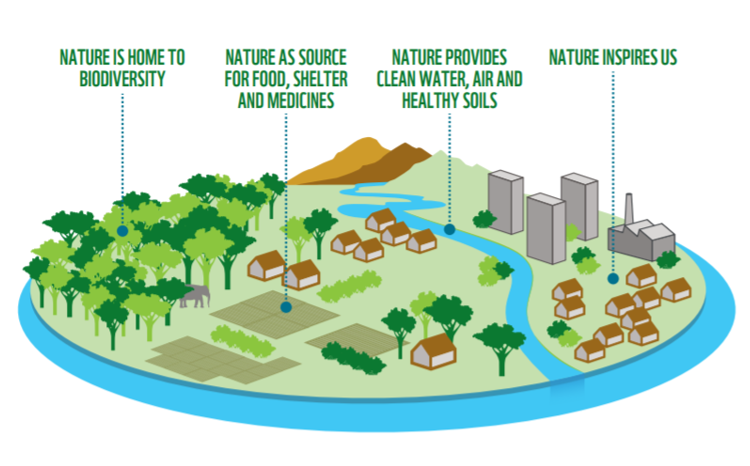
Putting real numbers to this vision demonstrates just how transformative localized growing can be. In a parish or neighbourhood of 1,000 residents, the community collectively consumes roughly 180,000 to 200,000 kg of fresh fruit and vegetables each year. Given that half of the UKs vegetables and 95% of its fruit are currently imported from overseas, reliance on international logistics leaves local households exposed to sudden price spikes and shortages.
By establishing a 500 m2 polytunnel micro-farm, communities can extend the UK growing season by 2 to 4 months and achieve intensive yields of 15 to 25 kg/m2 for high-value produce like tomatoes, peppers, and salad crops. Just a handful of localised growing hubs can generate over 10,000 kg of fresh food annually, eliminating tens of thousands of freight miles, diverting the average UK households 70 kg of annual food waste into hotbin composting systems, and ensuring local food spending stays entirely within the parish economy
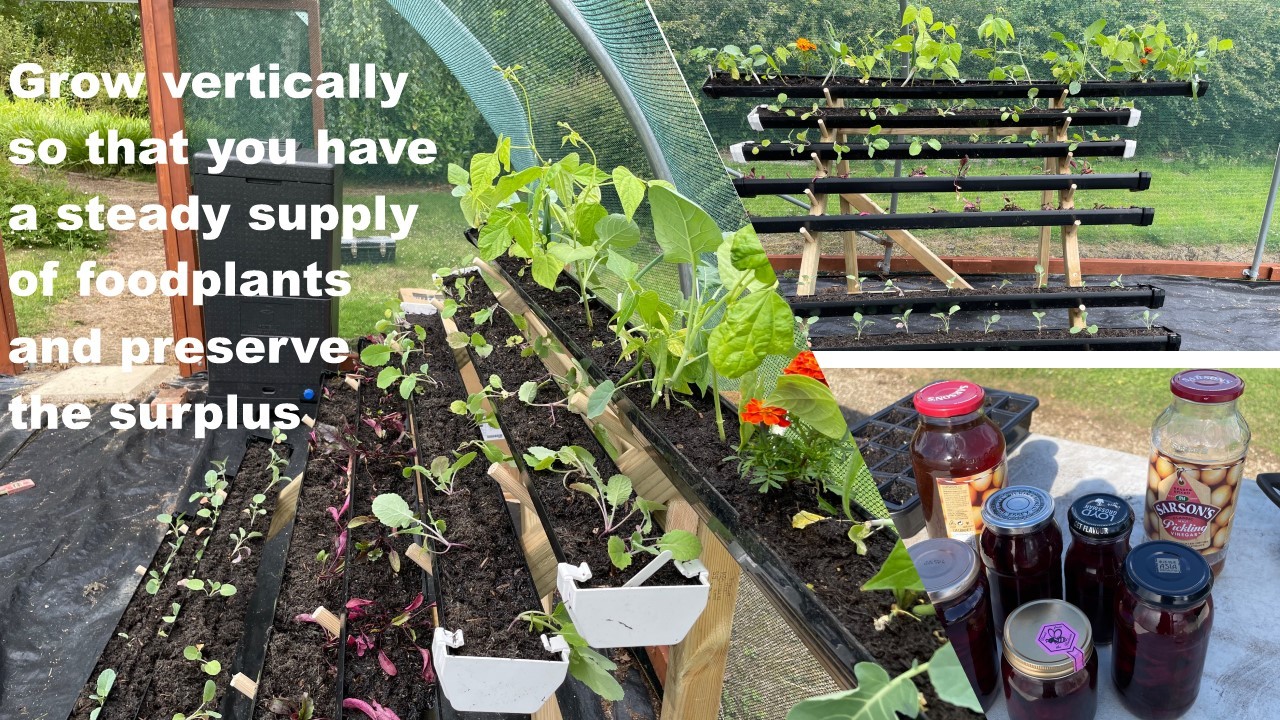
At the heart of this local transformation is our commitment to increased food sovereignty, driven by local Super Growers and a dedicated central heirloom seed bank. Standard commercial agriculture locks communities into single-use, patented seed stocks, but our repository focuses exclusively on open-pollinated heirloom varieties. These seeds belong to everyone, developing regional adaptability over time and guaranteeing that our growers can save seed year after year without corporate dependency.
Working across gardens, micro-farm spaces, and windowsill propagators, Super Growers cultivate high-yield vegetables, fruits, and herbs that nourish individual households while fueling local parish sharing hubs. To ensure nothing is lost, we bring people together in local kitchens for Kilner jar canning and bottling days, preserving seasonal gluts into nutritious soups, stews, sauces, and pickles that feed the parish right through the winter months.
A cornerstone of this self-reliance is the bridging of generations to share vital, practical wisdom before it disappears. By bringing elders, parents, and young people together in the field and kitchen, we pass down essential heritage skills, from seed saving, soil building, and pruning to food preservation and traditional cooking. This intergenerational bridge builds deep community memory, equipping younger generations with the knowledge to maintain their own sovereignty rather than remaining reliant on subscription-based corporate models or expensive digital conveniences.
This practical work directly fulfills UK Chief Medical Officer guidelines for adult health and wellbeing. The CMO recommends at least 150 minutes of moderate-intensity aerobic activity per week, alongside muscle-strengthening exercises targeting major muscle groups on at least two days per week. Active gardening, digging, wheelbarrowing, bed building, and harvesting, effortlessly delivers both moderate aerobic exercise and functional strength training without needing a gym. Regular participation in community micro-farming acts as effective ecotherapy, reducing stress, improving mobility, and lowering long-term pressure on local NHS services while fostering social connection.
This human activity thrives inside a broader landscape designed for ecological resilience and dual-purpose utility. By integrating urban food forests with Sustainable Drainage Systems (SuDS), such as swales, rain gardens, and permeable holding zones, we turn potential environmental hazards into community assets. SuDS infrastructure captures, stores, and slowly releases heavy rainfall, preventing urban flooding while feeding the deep roots of perennial fruit and nut canopies.
Combined with off-grid hybrid solar and wind microgrids equipped with battery storage, our parishes operate on a zero-waste, zero-carbon framework. From small-scale micro-farm setups to community-owned wind projects that can power hundreds of local homes, energy and economic value stay right where they belong, within our neighbourhood economy.
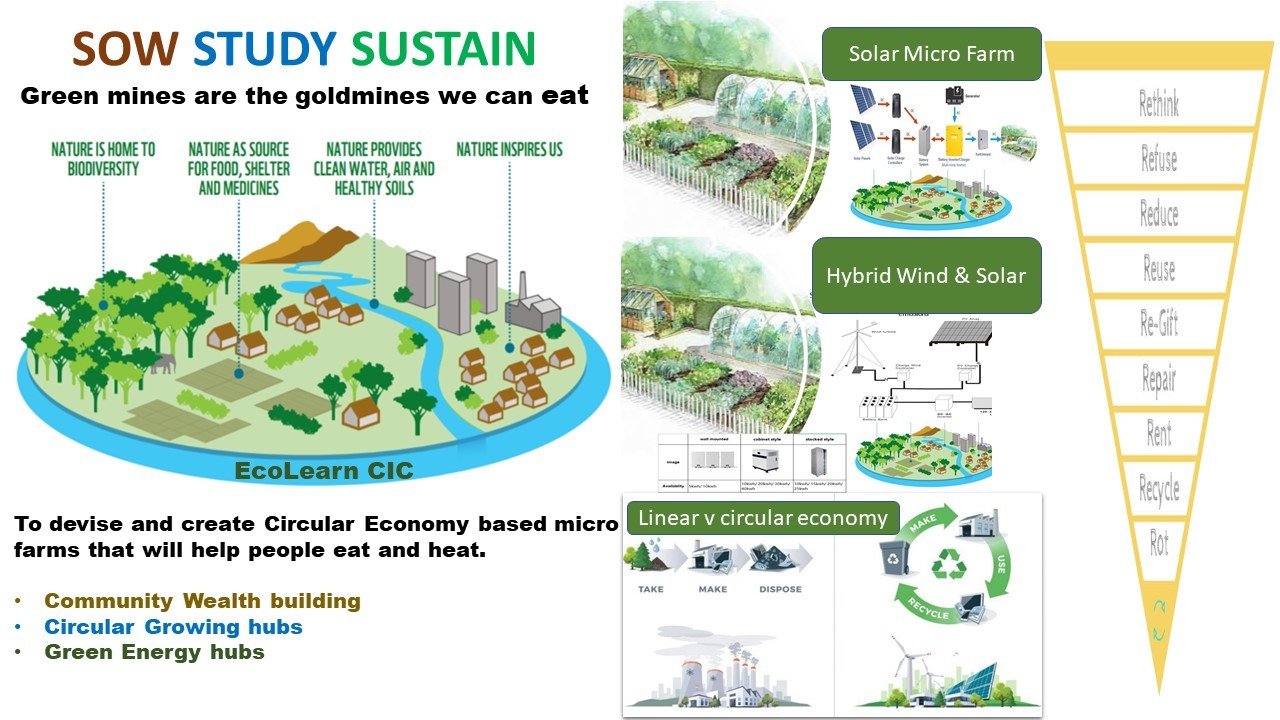
This is a community call to action for Places People Planet, partnering with Councils, Community Leaders, and local Champions. The framework is built, the growing models are tested and the funding mechanisms are ready. Now, we need the visionary leaders to help bring this infrastructure to life. We want to hear directly from community leaders, parish councils, district councillors, and local, county or combined authority champions who want to run pilot schemes that will naturally scale up to sustainable initiatives across their wards:-
- We consult local residents to build community trust, install micro-farms, and provide ongoing tutor-led workshops in growing, harvesting, and group cooking.
- Pilot projects deliver immediate results in food security, waste reduction, flood prevention, health outcomes, and local energy resilience.
By standing together, sowing open-pollinated crops, capturing our own water, and generating our own clean energy, we prove the undeniable power of local action. If you are ready to pioneer a resilient, self-sufficient pilot scheme in your parish or ward, get in touch with us today. Let’s build a circular living legacy gift that will nourish and protect our communities for generations to come.