
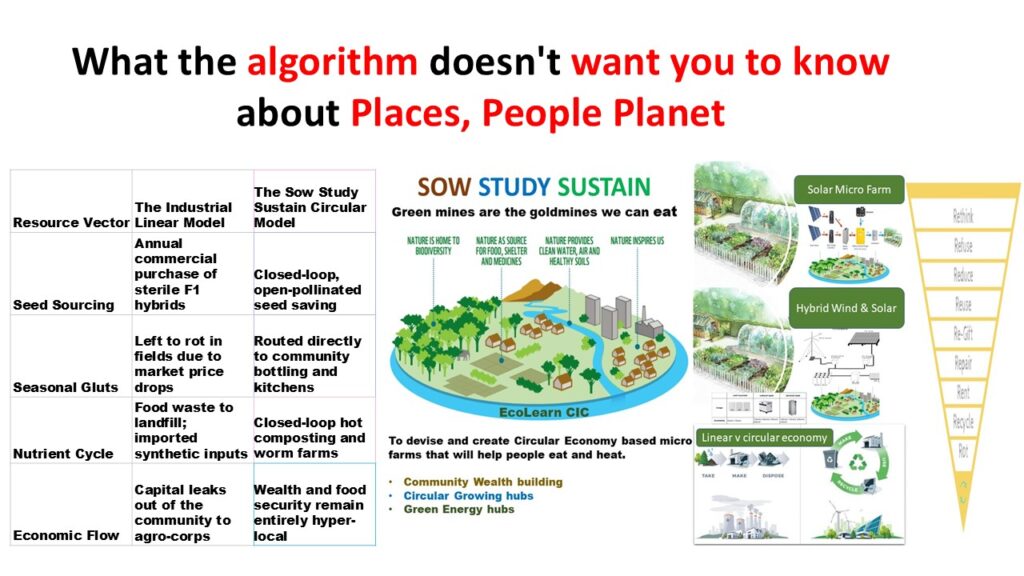
Much to the displeasure of the tech overlords we are still keeping one foot in nature with our circular economy #SowStudySustain Newsletter and Micro Farm food forest. A sensible hedge with food the elephant in the room and of course we are still hoping that the schools heed our swap screens for green scenes message. Clearing all on my Google Pixel, avoiding Facebook and limiting LinkedIn does not seem to be personal ecosystem ending either. People now know to phone me for an interactive experience with faster and better outcomes. For the word salad lovers this is unknown as a remote micro meeting which I am told can still be billed in 15 minute chunks
I know its all getting a little bit grift rather than happy Brit Grit, so, if you feel like critical discussions around corporate technology, climate reality, and systemic change are getting harder to find online, you aren’t imagining it. The algorithms driving modern social platforms are engineered for friction-free consumption, tech hype and high-margin ad sales. Critiques of tech greed and the hidden environmental footprints of artificial intelligence don’t fit that monetisation model that nonchalantly acts as if it is doing no wrong until your credit is declined. Label them under low engagement, bad for business, quietly pushed to the bottom of the feed while the hype machine keeps spinning.
Meanwhile, beneath the shiny promises of automated futures, the tangible world, Places, People and Planet is quietly absorbing the real cost. On the ground, the massive expansion of data centers and cloud infrastructure is driving aggressive land conversion, spiking municipal energy demands and customer bills, as well as consuming millions of gallons of water for cooling. All the while often competing directly with local communities and agricultural ecosystems to create unnecessary inflation. At the same time, platform economics treat our attention and data as cheap resources, driving social isolation and pulling us away from physical, community-rooted work. While tech firms proudly display net-zero pledges that are an affront to common sense, the runaway energy consumption of generative AI models keeps fossil fuel plants firing and diverts renewable power away from regional grids.
Yet technology itself isn’t inherently the enemy, it is the rent-seeker business model of extraction that distorts it. Stripped of corporate greed, digital tools can still serve a genuine purpose. Open, decentralised networks can amplify community seed swaps, spread circular economy blueprints, and share localised food-growing wisdom without a corporate middleman. Low-cost environmental sensors and open data can empower neighborhood science, helping us monitor soil health, track microclimates, and protect water tables. When we treat technology as a simple tool rather than a master, we can connect local growers, repair cafés, and food hubs to build real wealth that stays in our neighborhoods.
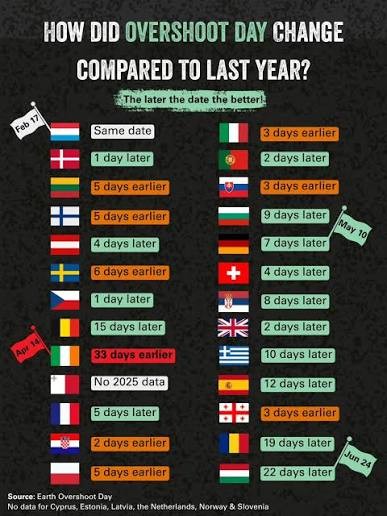
Britain reached its 2026 Planetary Health Diet Overshoot Day on 25 July, meaning the country has already exceeded its annual recommended balance of foods for a healthy and sustainable diet. To counter this and, the digital feudal matrix dulling our senses, our response must remain grounded in best practices for local action to support food and community resilience across the board.
Social algorithms hide these systemic questions because concepts like consuming less, reclaiming land, or challenging tech energy usage directly threaten the infinite-growth narrative that funds big tech. When a topic inspires you to put down your phone, step outside, plant seeds, and build physical self-reliance, it becomes a direct threat to the digital extraction economy. But that is masking this message I first put out in 2020 that is coming to pass slowly but surely thanks to sharp practice tech which is using shrinkflation and quality degradation tactics
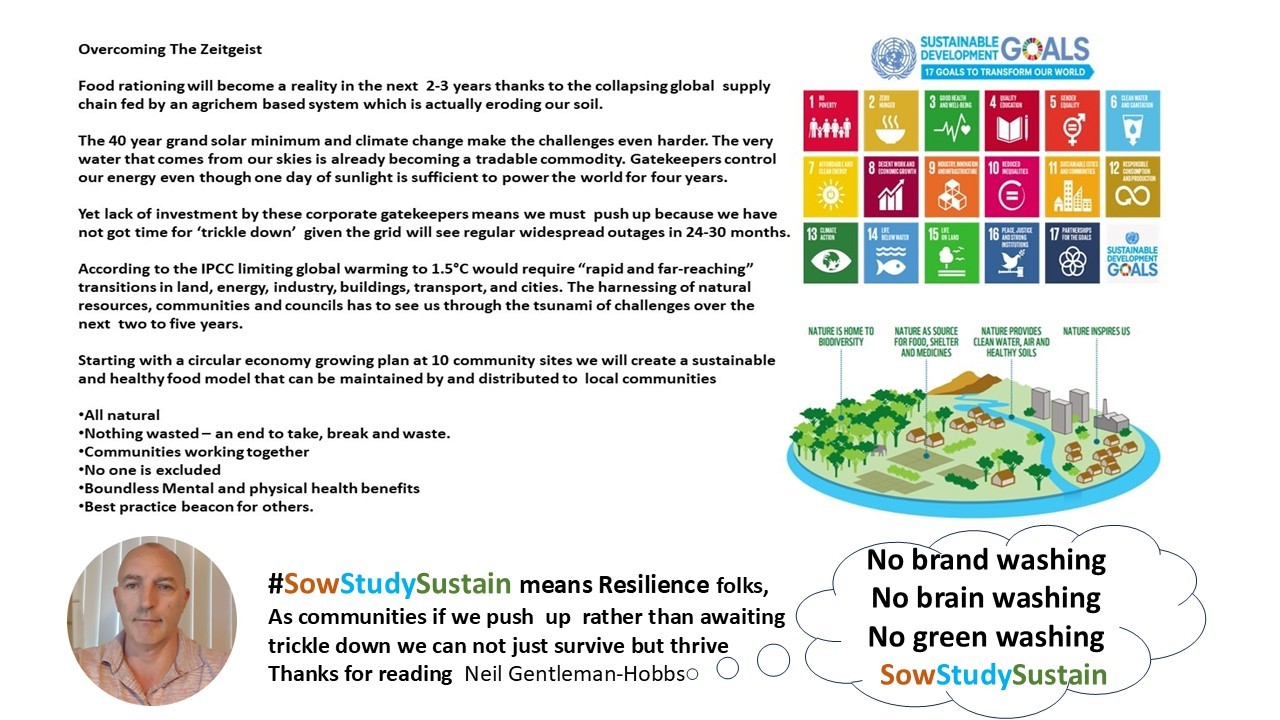
We can start by hosting open-pollinated seed swaps, exchanging non-hybrid seeds and plants with neighbors to preserve genetic diversity and break reliance on industrial supply chains. We can focus on soil rehabilitation and micro-composting, turning local organic waste into living, carbon-rich soil right in our backyards and community plots. Crucially, we must revive peer-to-peer knowledge sharing by gathering face-to-face for simple workshops on tool repair, food preservation, and rainwater harvesting. Gathering in public parks or back gardens to share real skills builds a level of trust and resilience that no digital platform can monetise or suppress.
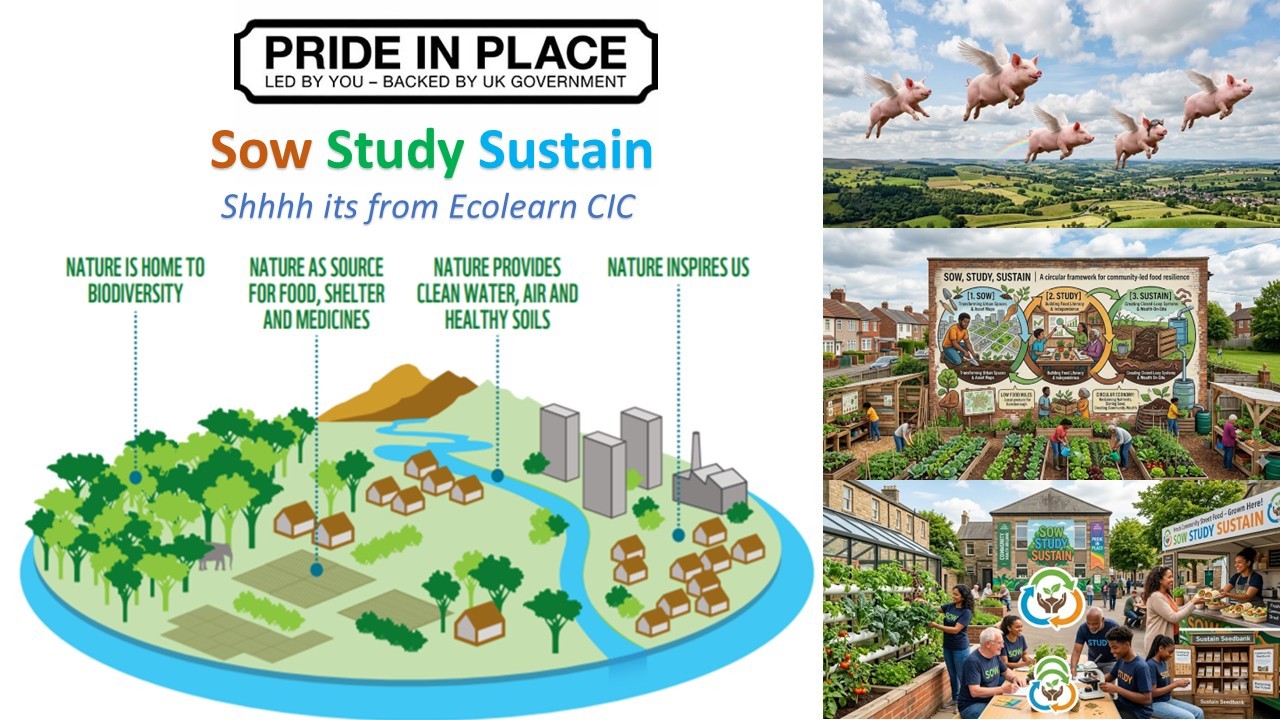
The best resistance to digital extraction will always be physical regeneration. You can take the next step today by sharing these ideas directly with a neighbours or local grower, because direct human connection will always outsmart the algorithm. Do it now before the reset and the digital feudal matrix arrives