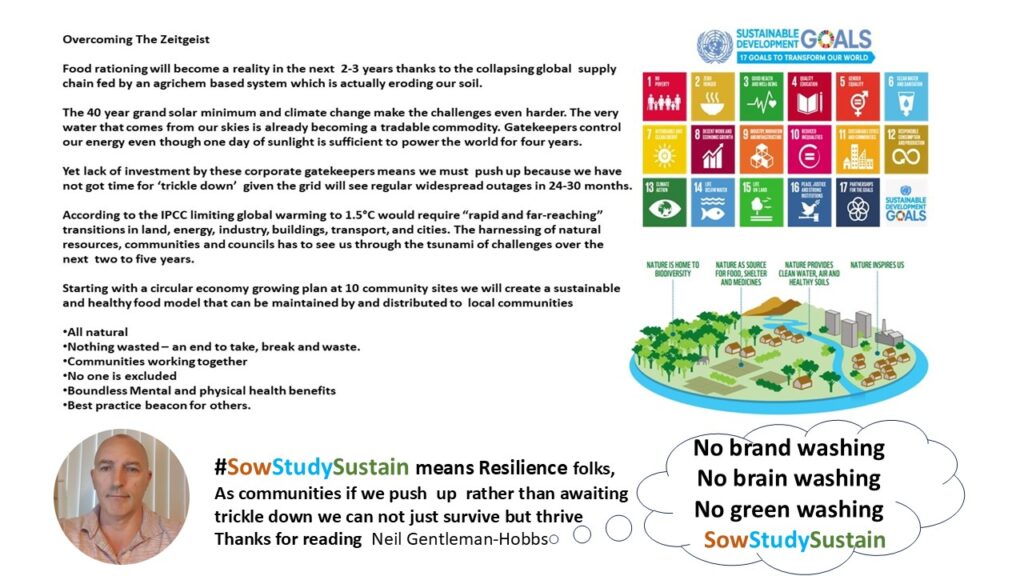
Our current industrial food system is actually built on a high-risk gamble with its HQ at the casino for the high rolling few. Resource-depleting monoculture farming treats the British landscape like a sterile factory floor, stripping soil microbiology, relying on imported synthetic NPK fertilizers, and replacing resilient genetic history with uniform, corporate-owned crop varieties. By narrowing our agricultural focus, we have left our hyperlocal food security incredibly vulnerable to climate shocks and supply chain failures.
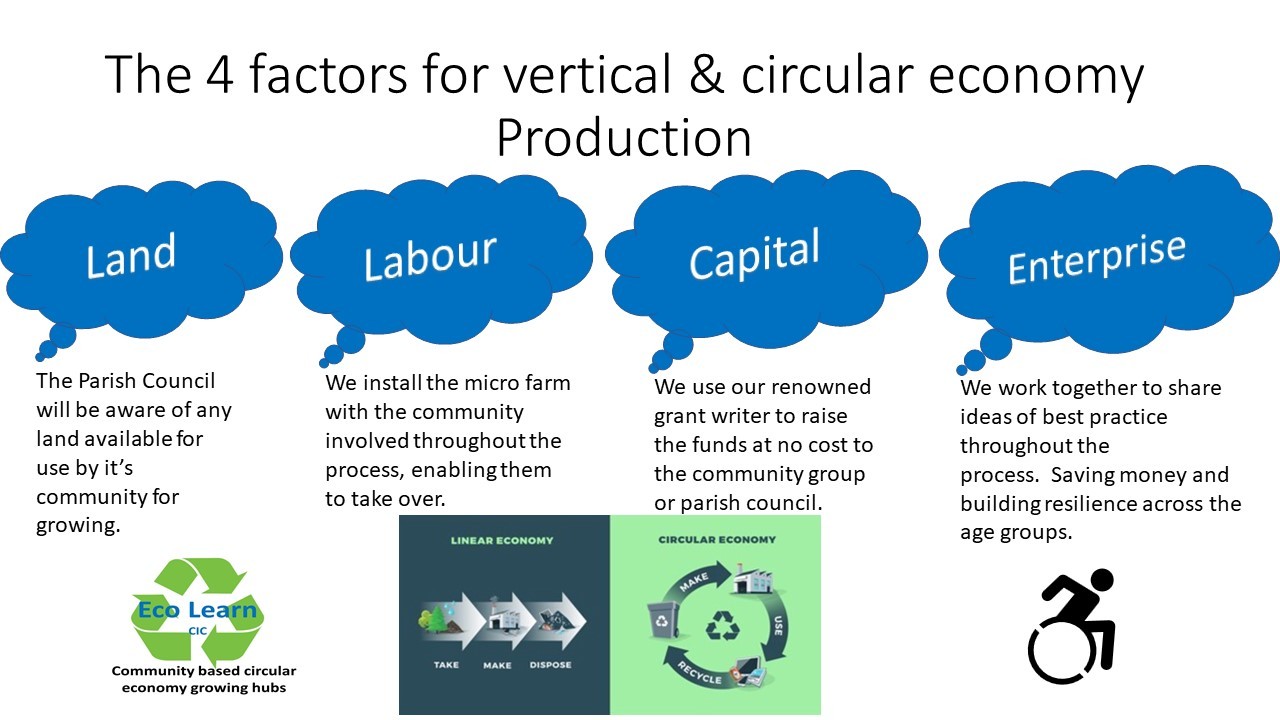
The antidote isn’t complex global logistics. It lives in our heirloom seeds, our community microfarms and the deliberate establishment of planned, managed wild forest polycultures right inside our urban spaces. Its the linear take, make break and fake model folks. Yet close that loop and circular economy food is the gift that keeps on giving to everyone locally at the exception of those far away & faceless not so poor cartel shareholders.
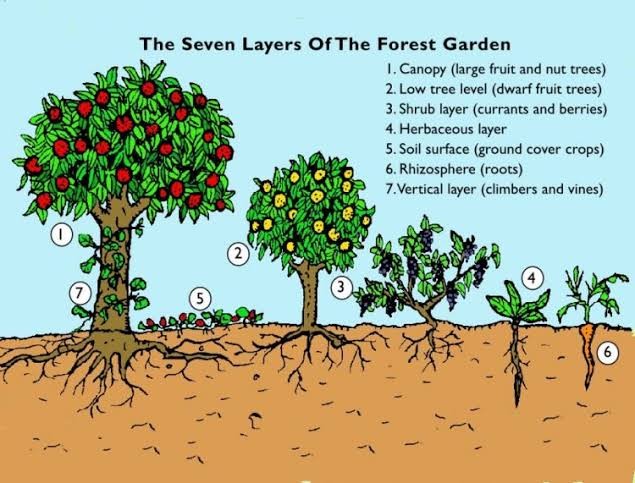
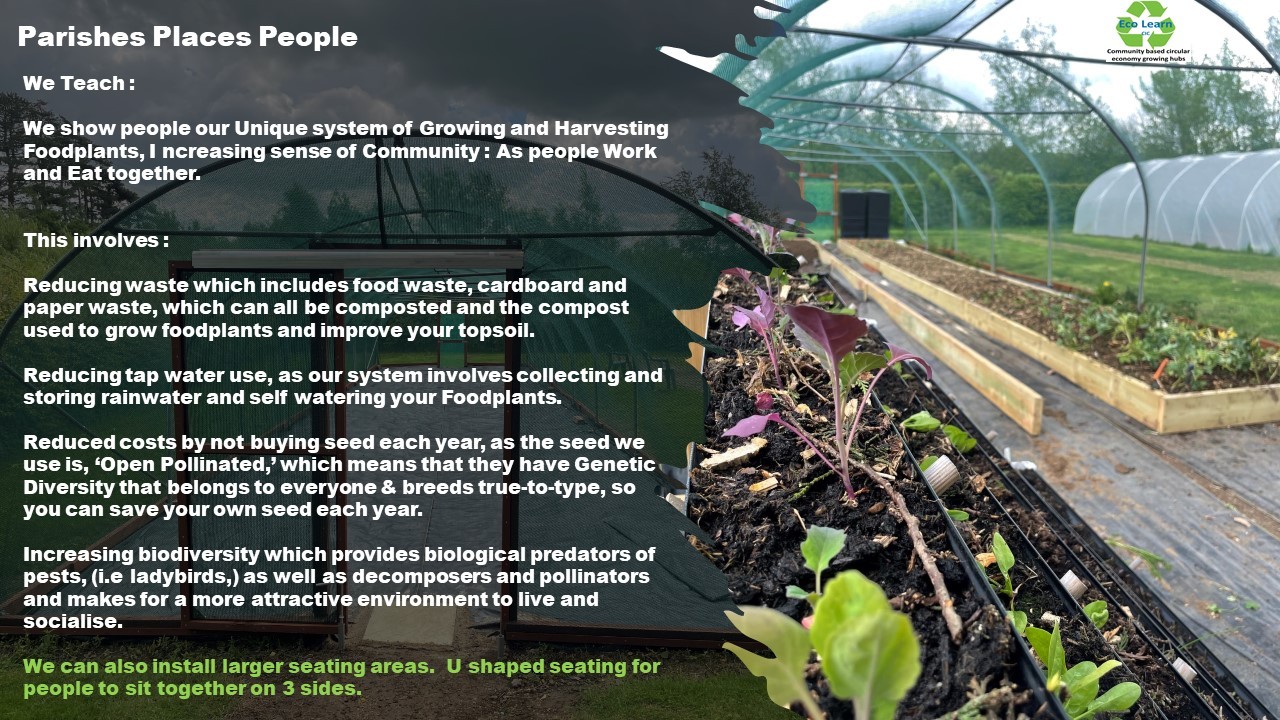
By using biomimicry, mimicking the natural layout of a native British woodland, we can stack multiple layers of food-producing perennial plants on a single small footprint. Through evapotranspiration, these managed spaces actively cool the urban heat island effect, draw down carbon into a fungally dominated soil floor, and capture rainfall to prevent localized flooding.
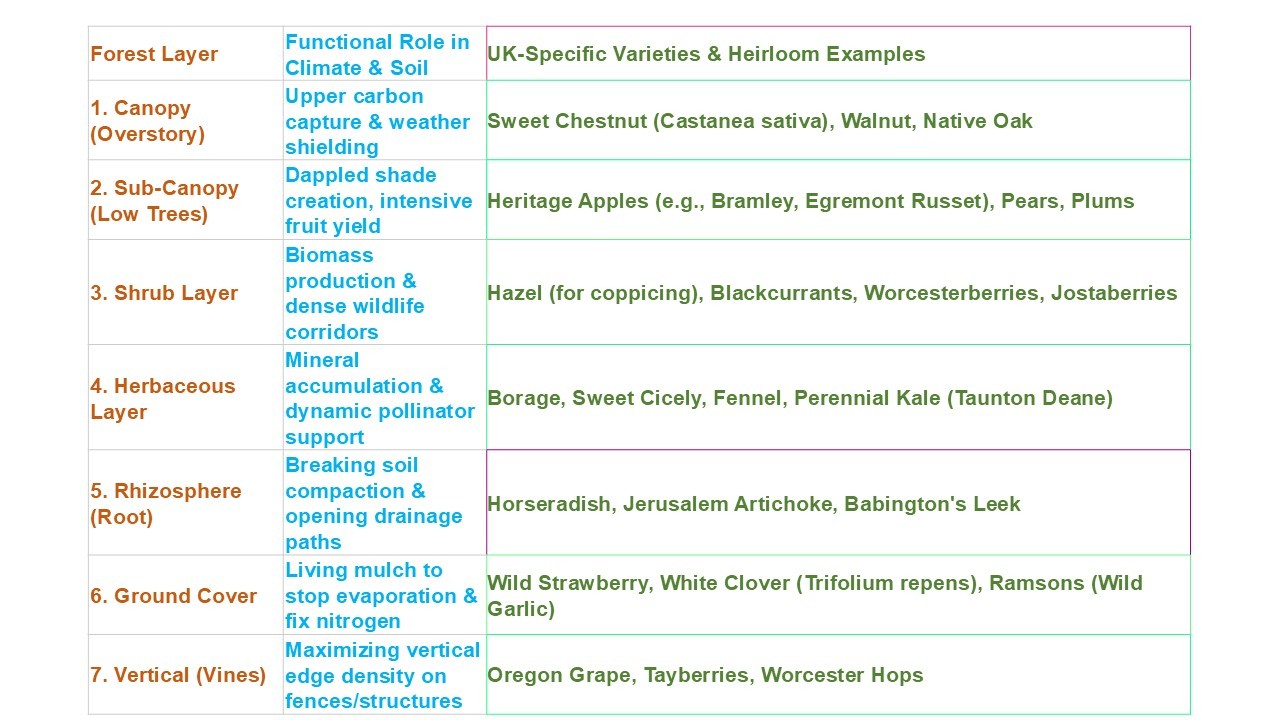
The UK Food Forest Matrix: A 7-Layer Managed Landscape
To roll back climatic changes while producing high-yield community food, we replace uniform fields with a multi-tiered, resilient matrix. Every species below is fully proven to thrive in UK soils and weather conditions:
The Establishment Process: Accelerating Succession in the UK
In nature, a mature woodland takes a lifetime to evolve. In an urban community environment, we use structured human management to condense this timeline into five years, establishing a self-sustaining food engine.
1 Build the Fungal Floor: Autumn / Winter (Year 1).
Suppress competitive lawn grass without chemical weedkillers by sheet mulching with thick cardboard and locally sourced arborist woodchips. Introduce native mycorrhizal fungi inoculants to pivot the soil from a bacterial profile to a woodland-ready fungal base.
2. Plant the Perennial Core:Winter / Early Spring (Years 1-2).
Bare-root plant your canopy, sub-canopy, and shrub layers simultaneously during the dormant season. Interplant aggressive biomass builders like Autumn Olive or Sea Buckthorn to rapidly fix nitrogen into the establishing root zones.
3. The ‘Chop and Drop’ Cycle:Spring / Summer (Years 2-5).
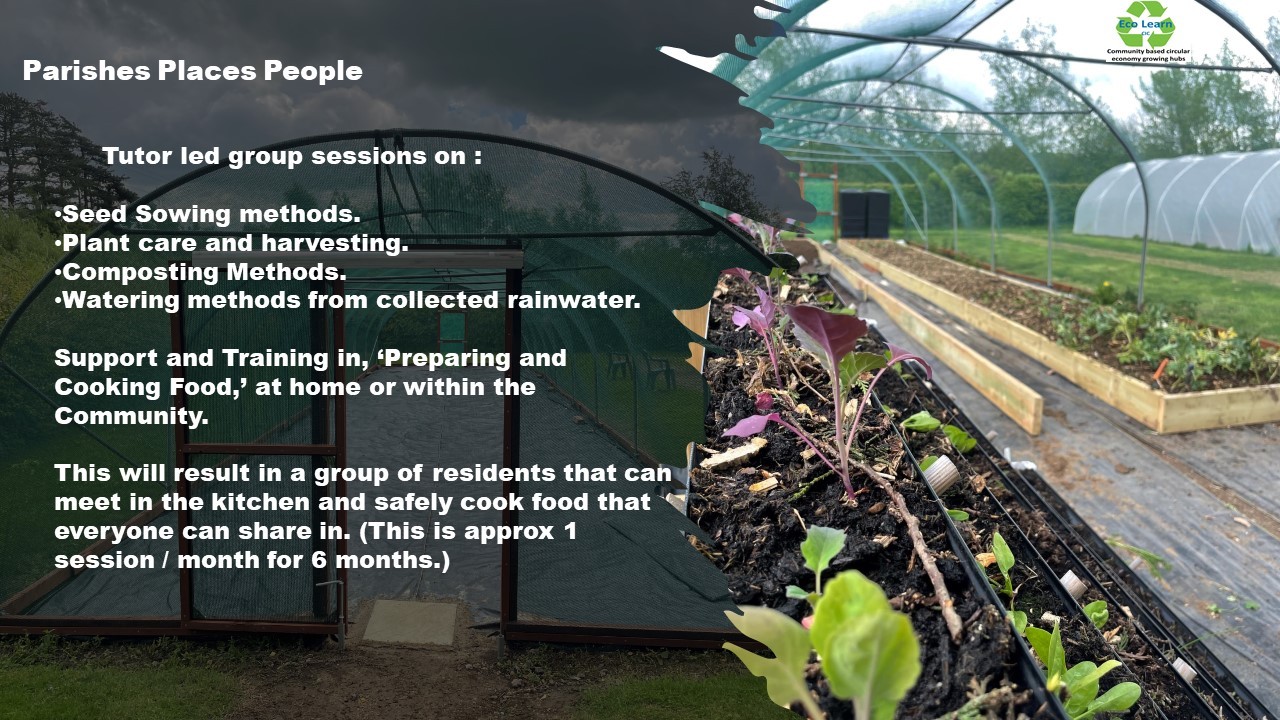
Regularly prune back the fast-growing herbaceous and shrub layers (such as Comfrey and Hazel), dropping the green waste directly onto the woodchip floor. This accelerates natural leaf-litter decomposition, locking organic carbon into the topsoil.
4. Dynamic Equilibrium: Year 5 and Beyond.
As the canopy closes and shade patterns stabilise, the microclimate regulates itself. The system requires minimal weeding or watering, continuously capturing carbon while delivering zero-mile food security.
The Circular Food Economy: From Seed to Jar and Back Again
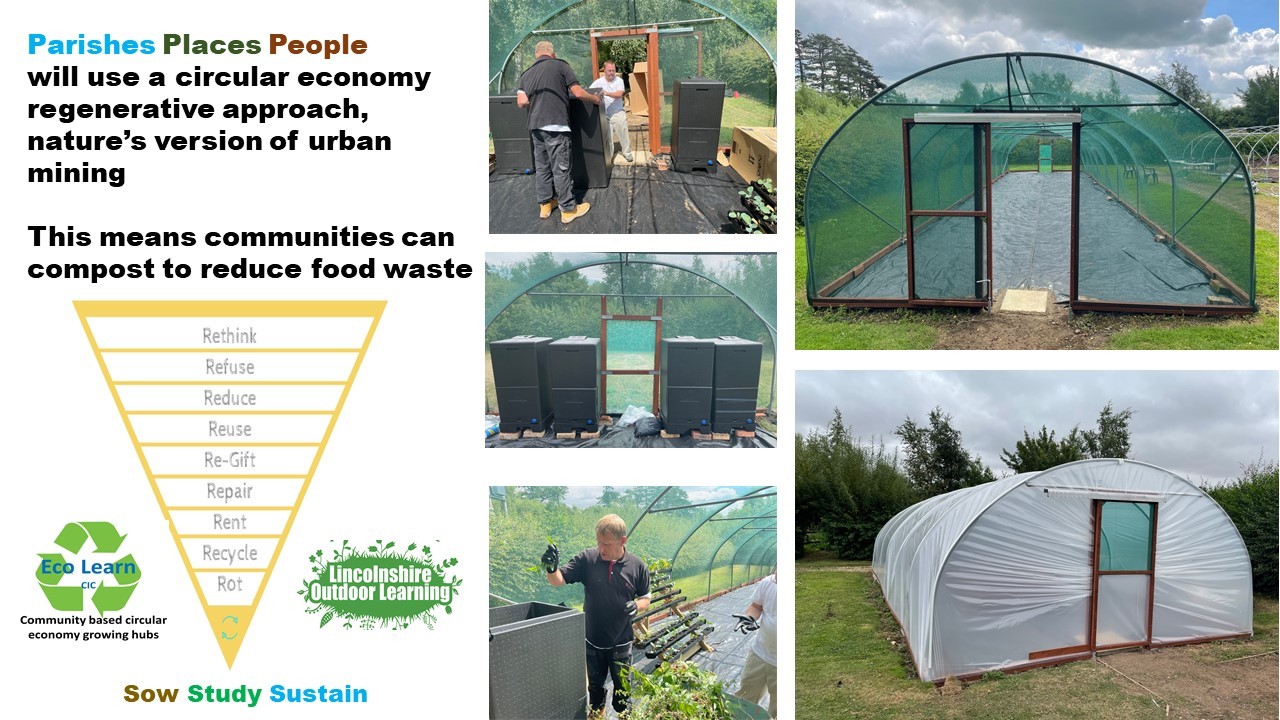
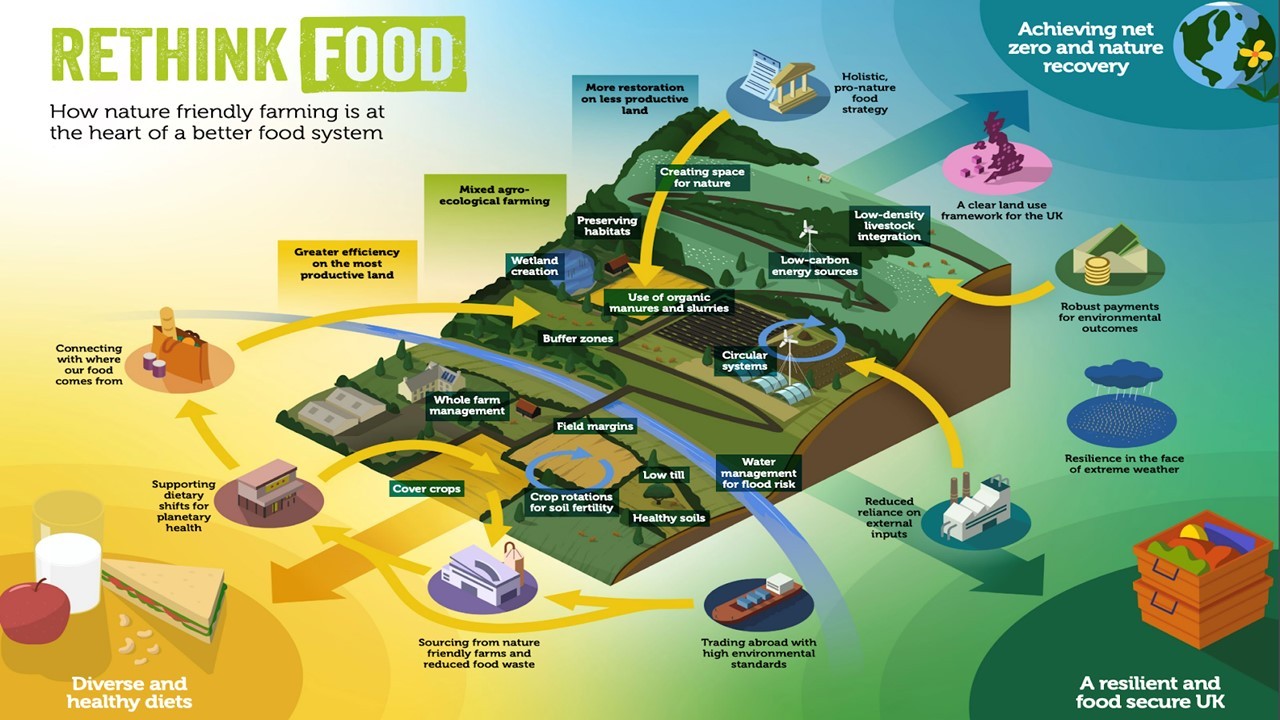
A truly sustainable food system doesn’t move in a straight line from field to landfill. It is a closed loop where output becomes input, surplus becomes security, and one season’s harvest directly funds the next.
By decentralizing production across a networked urban grid—linking specialized growers with community allotments and hyper-local preservation hubs—we can build an unshakeable local food web that protects our genetic heritage and completely bypasses industrial supply chains.
The Four Pillars of the Loop
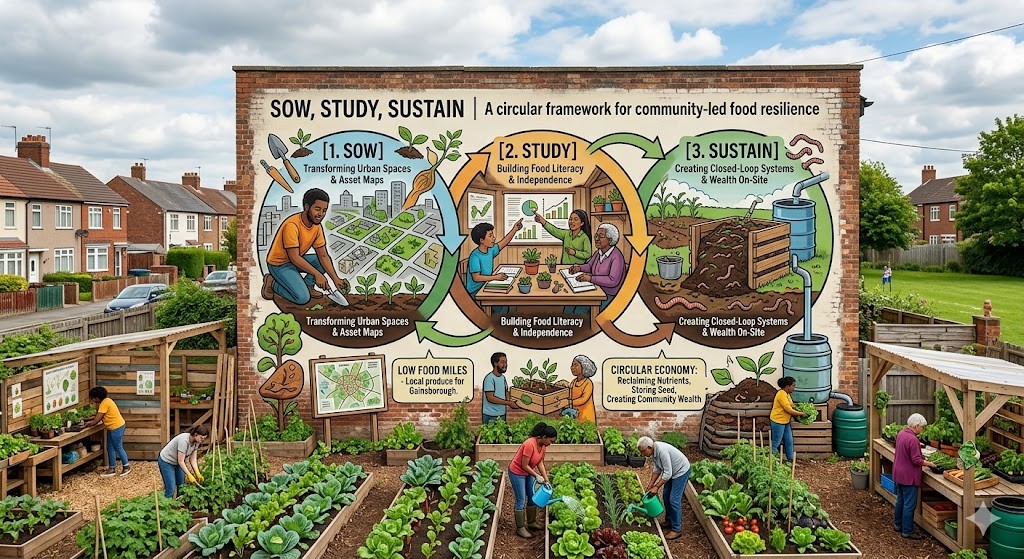
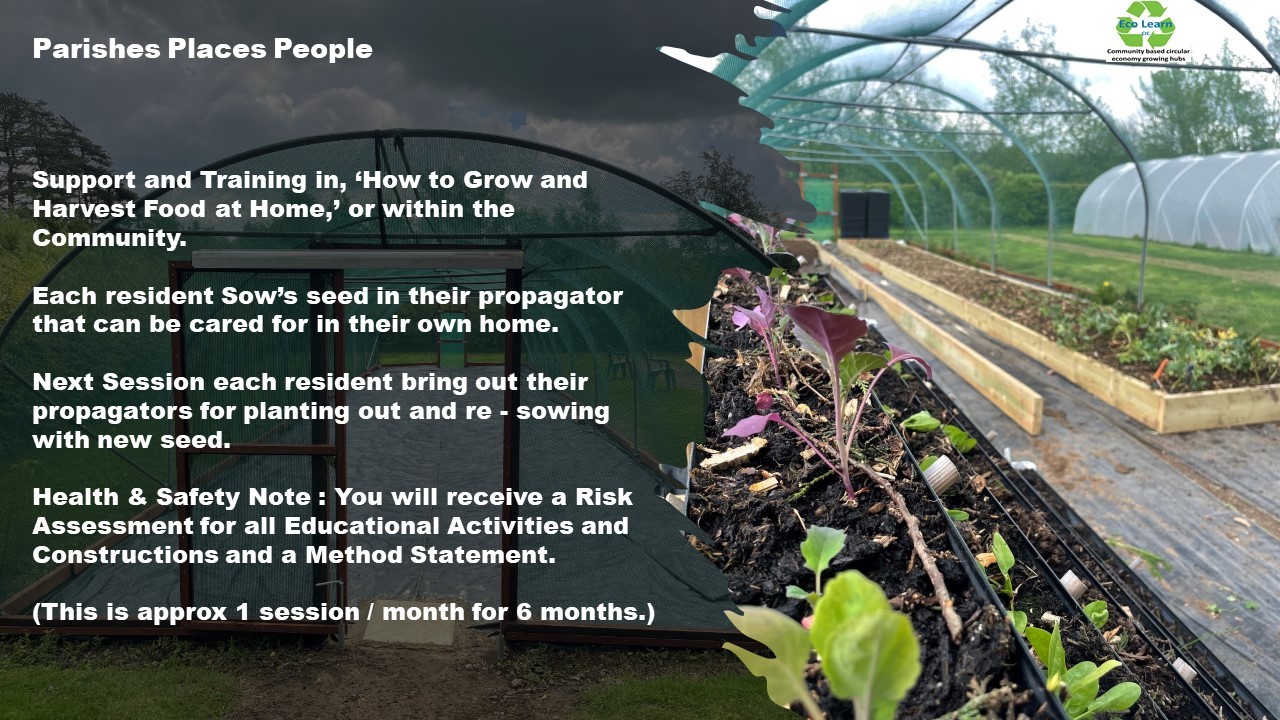
The Sow Study Sustain model relies on a highly organized, step-by-step pipeline to maximize yield, retain nutritional value, and secure the next year’s crop without external financial or chemical inputs.
1. The Super Growers: Elite Genetics & Isolation.
Advanced growers manage pristine conditions to produce pure, unhybridized open-pollinated (OP) heirloom seeds. Using careful isolation distances and hand-pollination techniques, they preserve true-to-type varieties (like Crimson Flowered broad beans or Up-to-Date onions) suited perfectly to the regional climate.
2. The Urban Allotments & Microfarms: Hyper-Local Production.
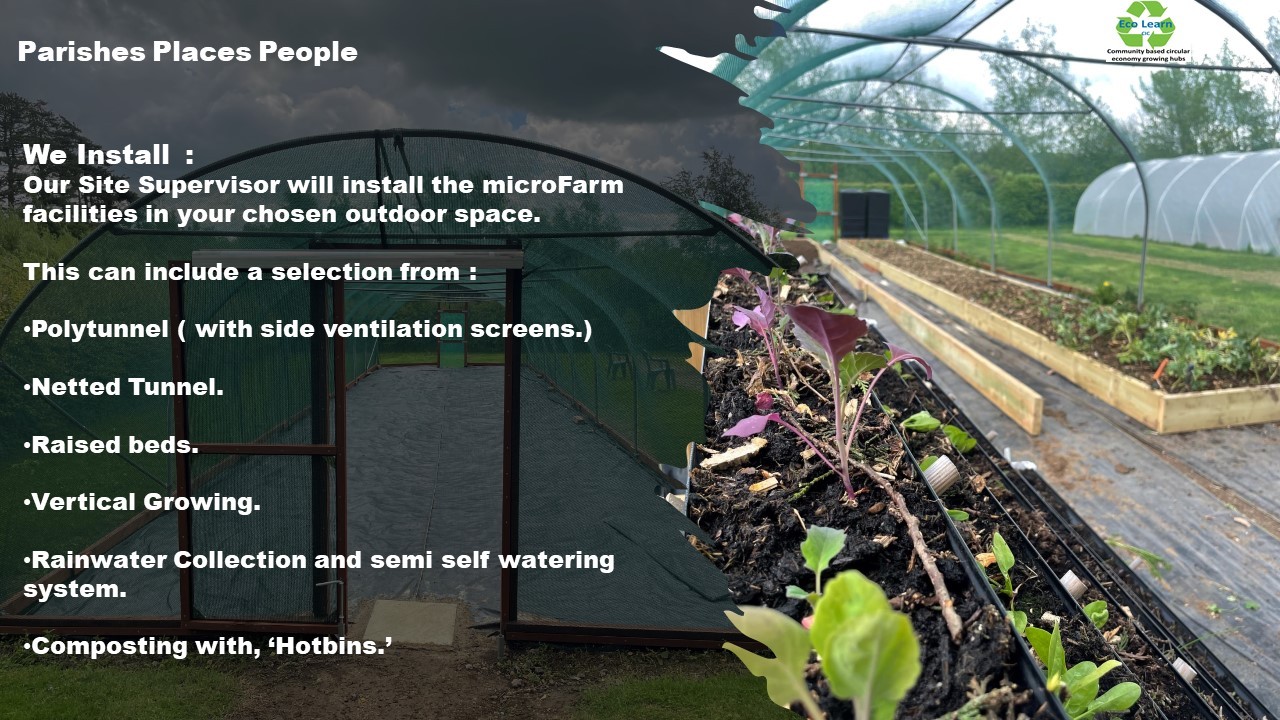
Seeds from the Super Growers are distributed across a decentralized network of urban allotments, school microfarms, and community spaces. These sites focus on intensive polyculture cultivation, turning the pure seeds into maximum caloric and nutritional output per square meter.
3. The Sharing & Bottling Hubs: Redistribution & Preservation.
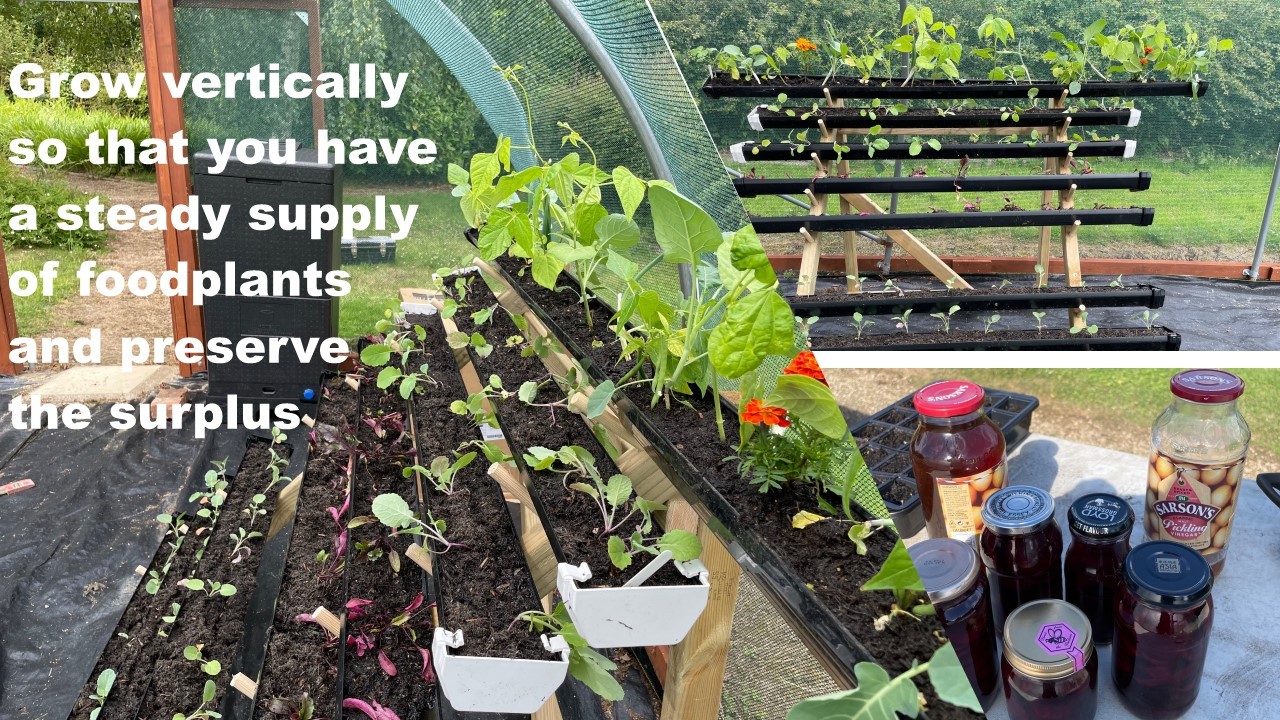
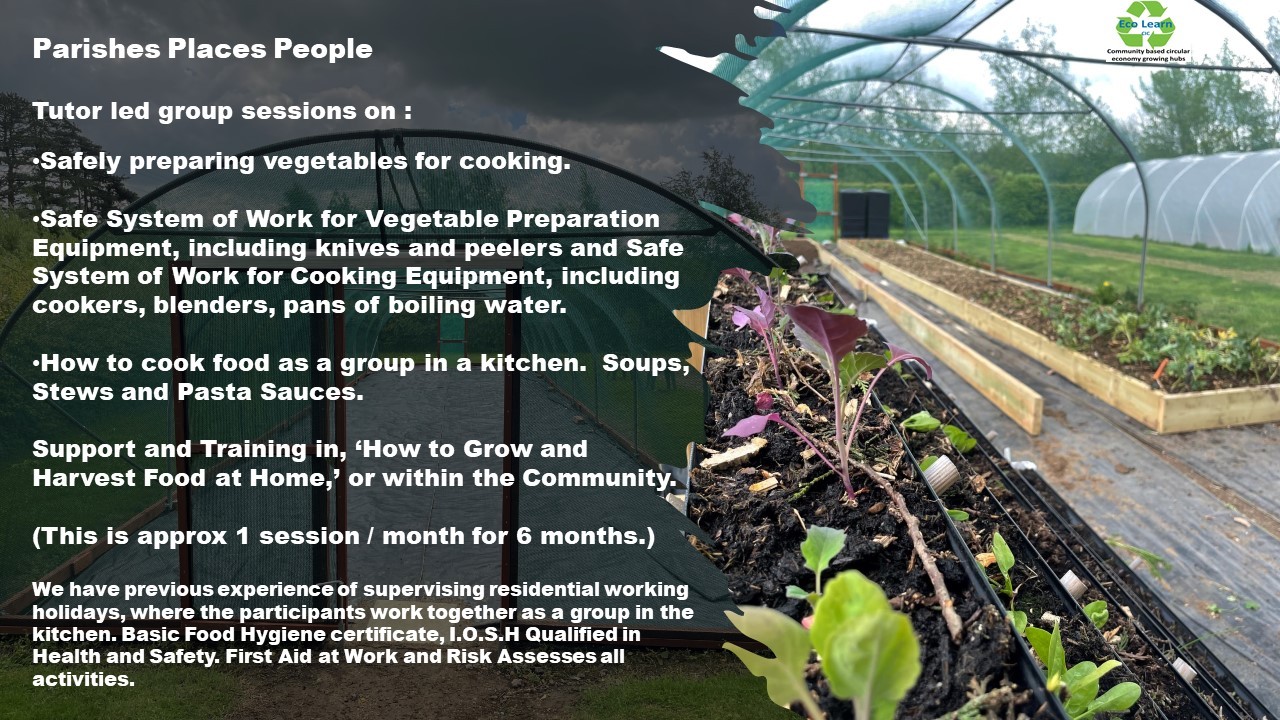
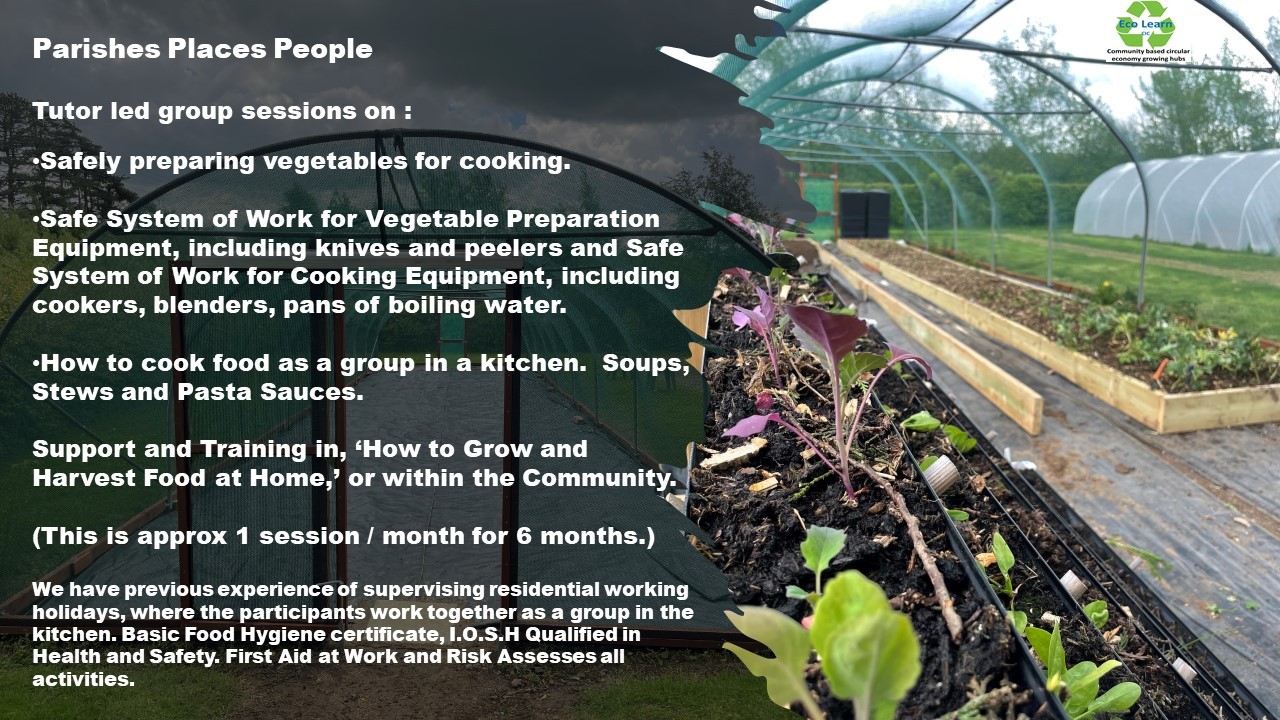
Peak summer abundance often turns into waste in linear systems. In our circular model, gluts are routed to community kitchens. Fresh produce is shared directly, while surplus is preserved using traditional, energy-efficient methods: lacto-fermentation, water-bath bottling (canning), dehydrating, and clamp-storing root crops for the winter.
4. Reclaiming the Seed Ledger: Closing the Loop.
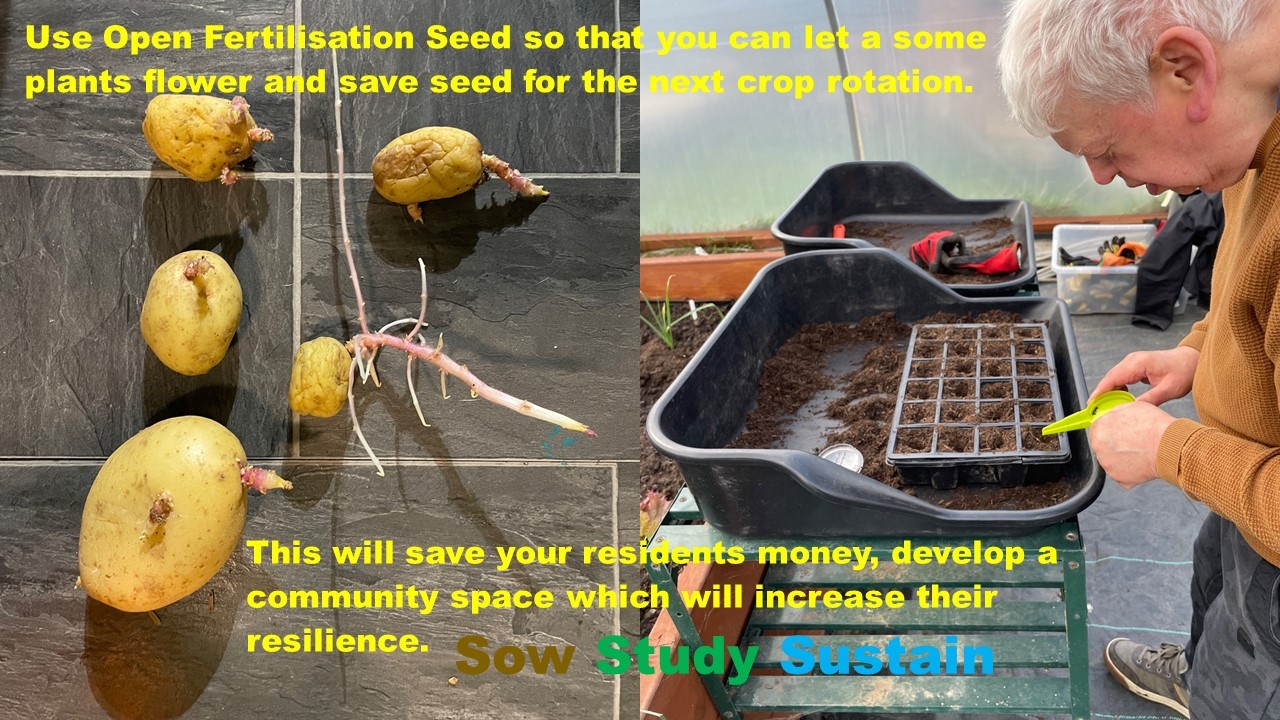
A dedicated percentage of the healthiest, most climate-resilient plants in the allotments are left to bolt and go to seed. These seeds are harvested, thoroughly dried, cataloged, and fed back to the Super Growers and the community pool, completely eliminating the need to buy corporate seed inputs next spring.
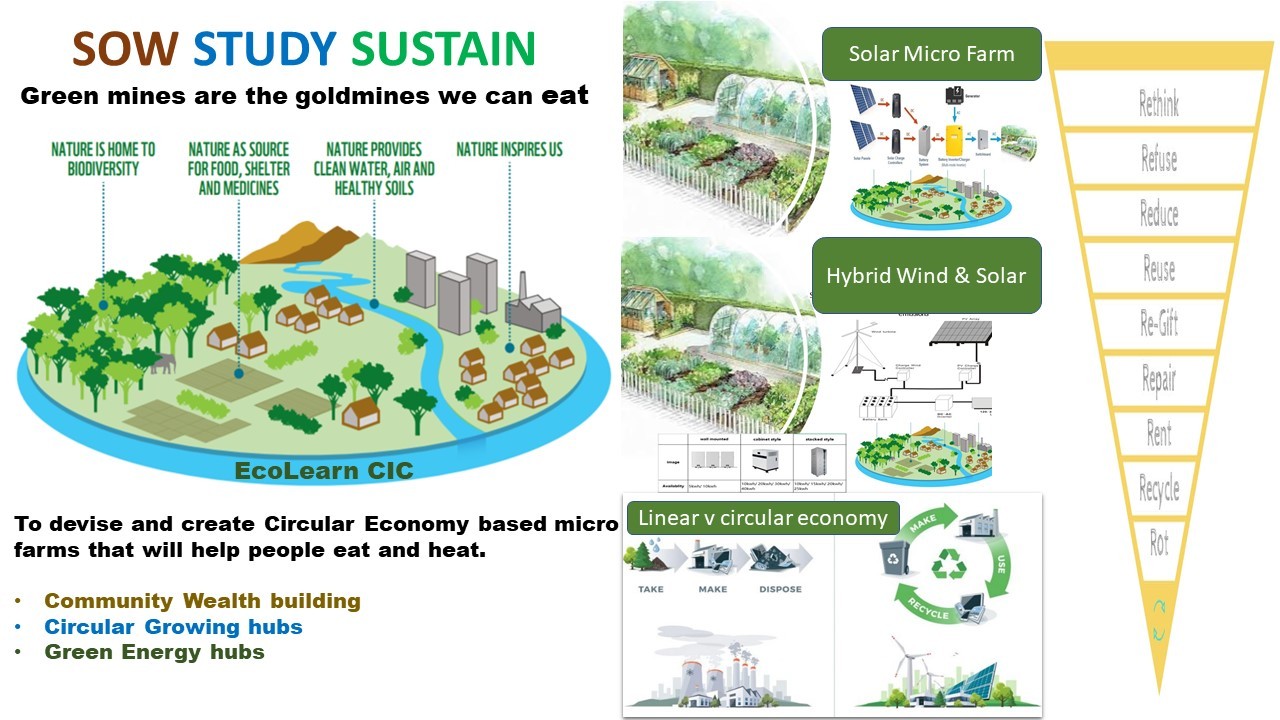
Circular Efficiency vs. Linear Waste
To understand why this decentralized loop holds so much resilience, we can look at how resources are retained within the community rather than exported for commercial profit.
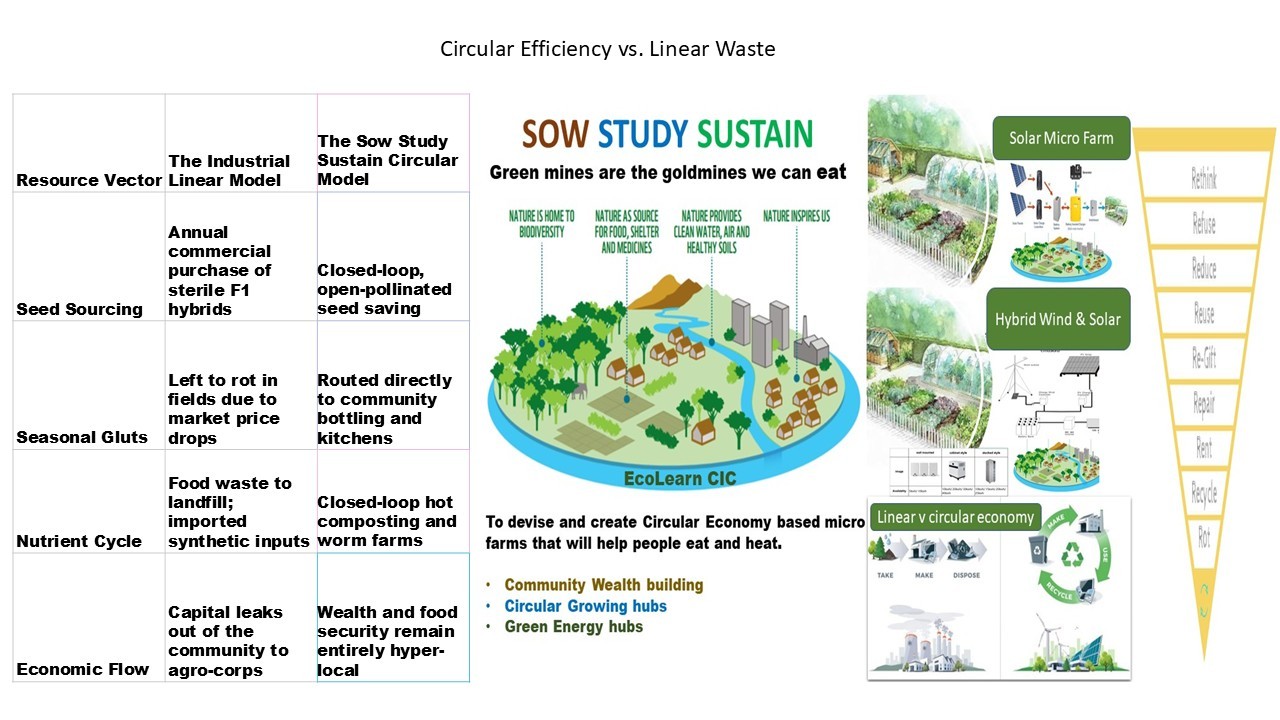
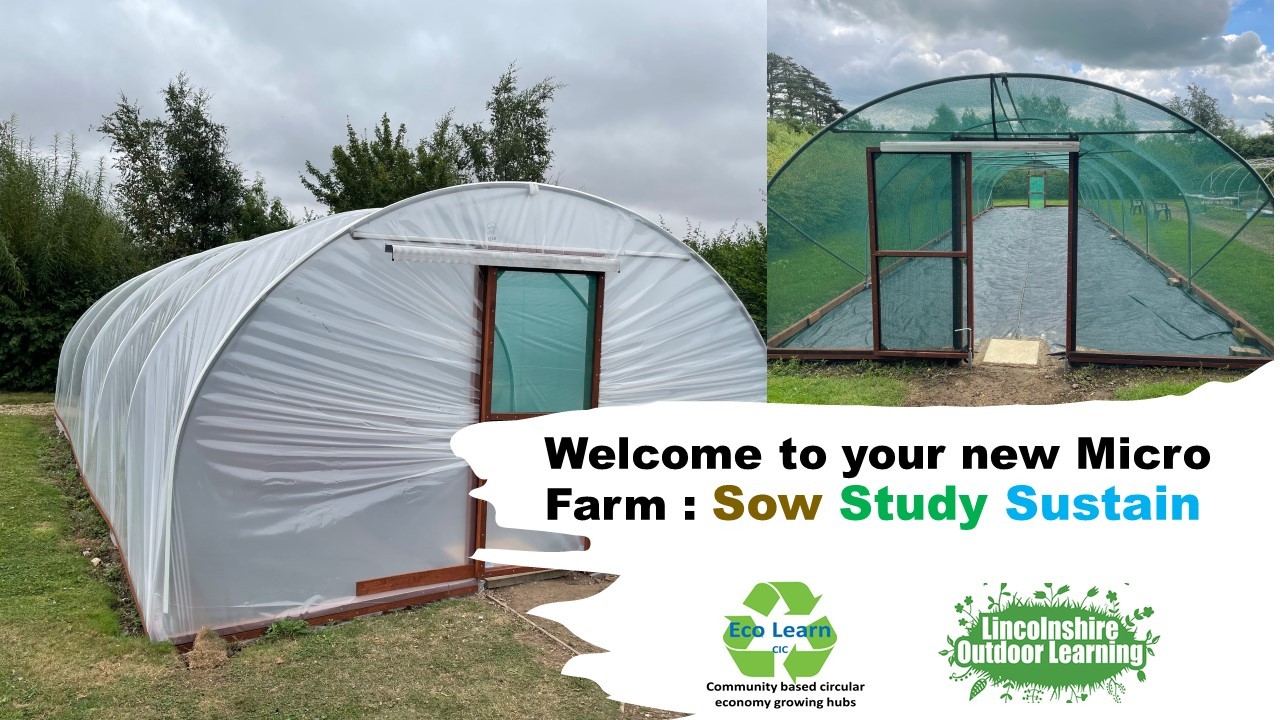
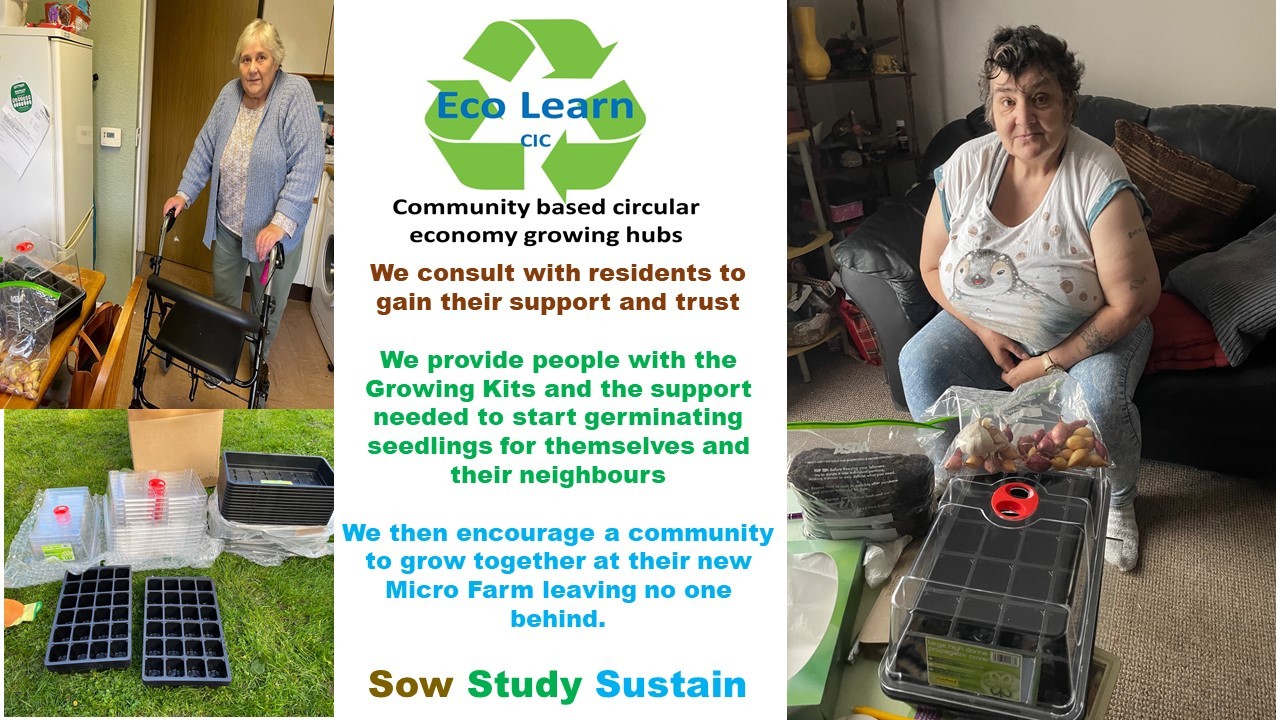
Sow Study Sustain is The Urban Growing plan for Community Resilience
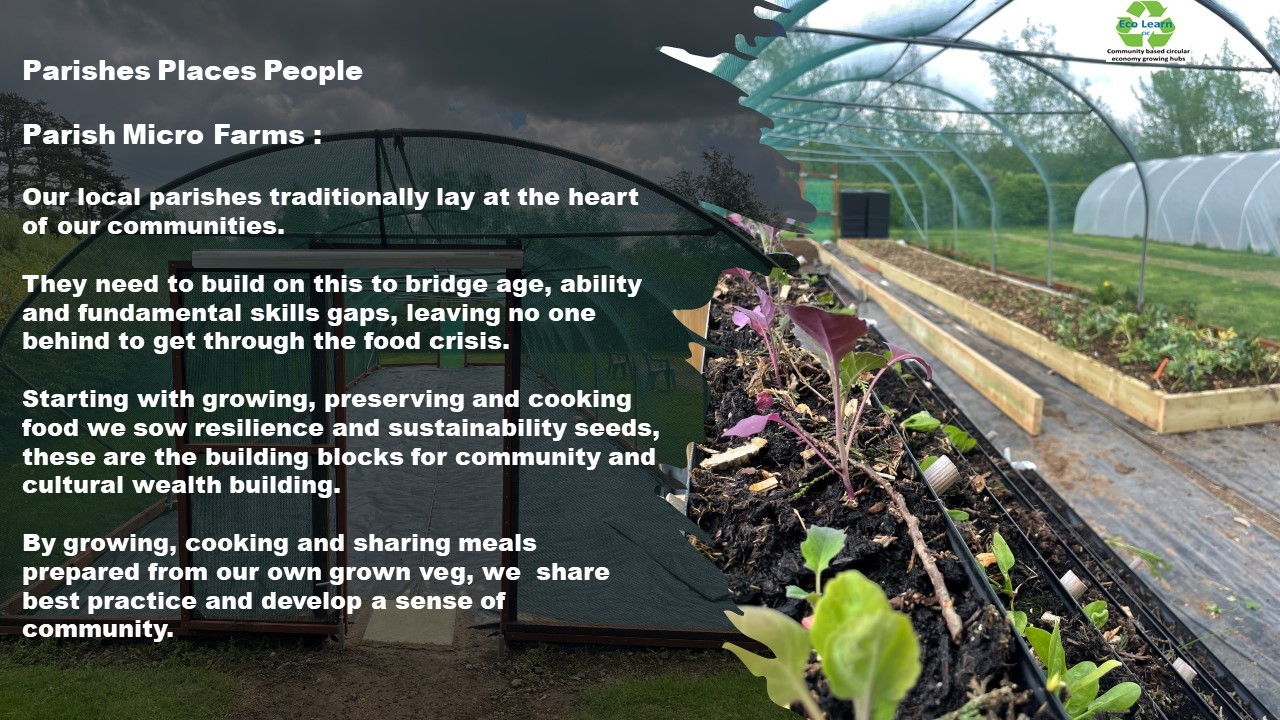
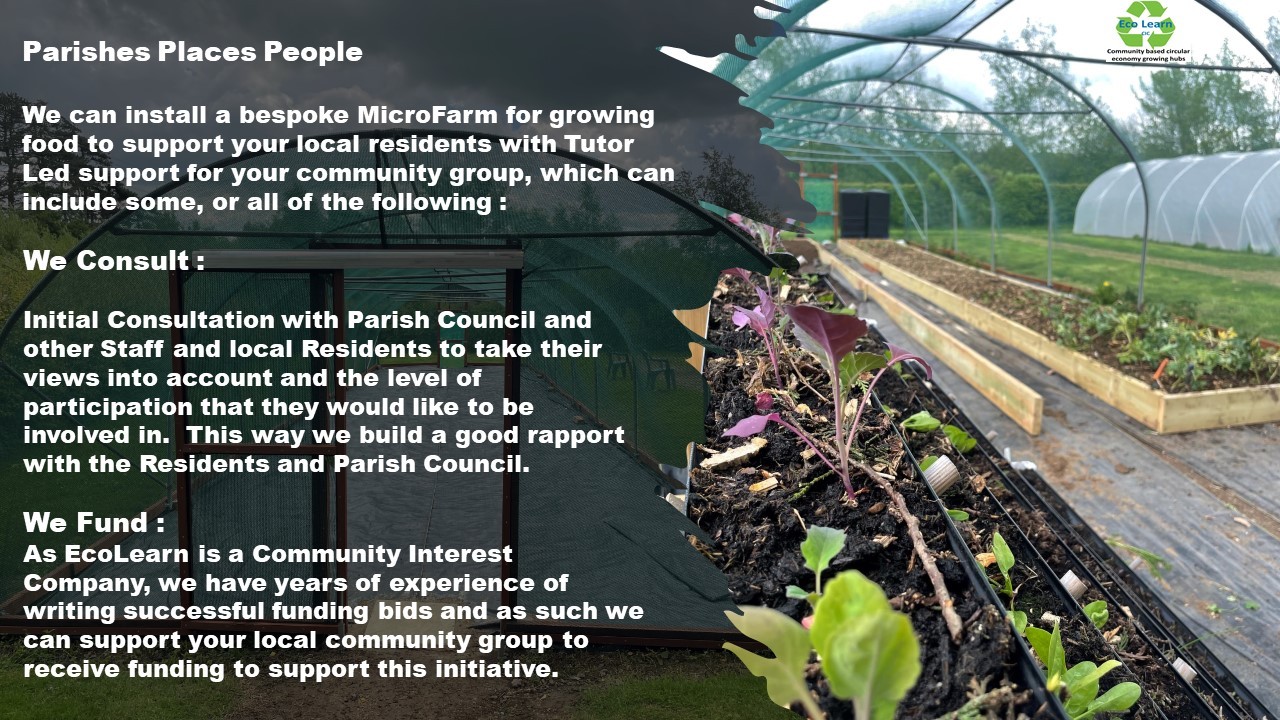
Whether you are a community group, housing association, a private extended family community, or, even a Town considering Pride in Place the Sow Study Sustain urban growing circular economy model is for you.